
Renovation Defects in Singapore: What to Do When the Contractor Won't Come Back
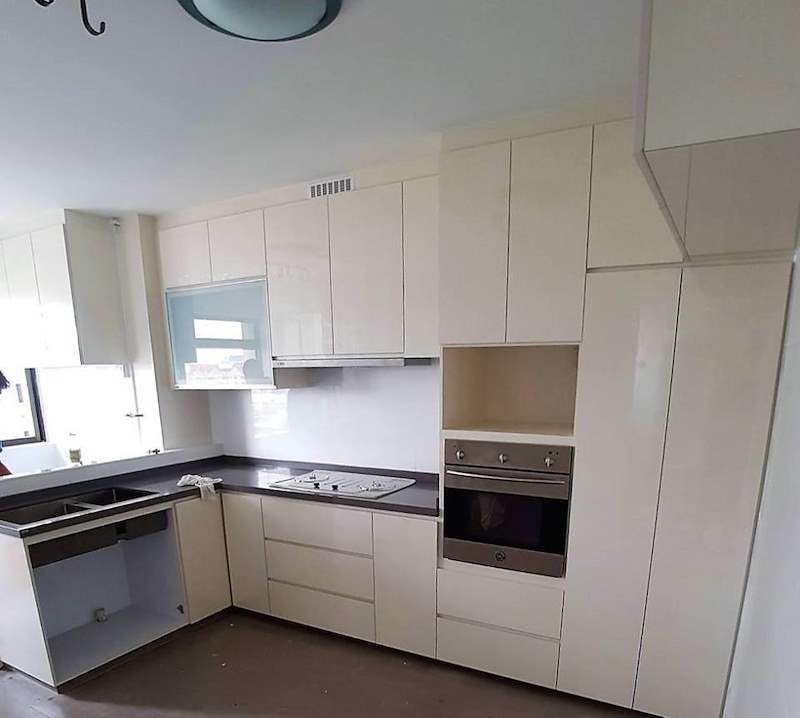
The works are finished. The last van has gone, the protective sheeting is off, and for about a week the flat feels like a win. Then the grout in the shower discolours in one patch. A carpentry door stops closing flush. A skirting lifts at one corner. You send a photo, and the replies get slower, then shorter, then stop.
This is one of the most common renovation problems in Singapore and one of the least usefully written about. Most advice tells you to "engage a reputable contractor", which is excellent guidance for last year. This is about what to do from where you are standing now, and it is more practical than most people expect.
First, understand why it happens
It is worth knowing, because it changes how you approach it. Only a minority of these cases are outright bad faith.
The ordinary reason is that the job is closed. Once final payment is in and the team has moved to the next site, coming back is a genuine cost with no revenue attached. Getting one tiler back for two hours means pulling him off a job that is paying, travelling across the island, and doing an hour of work. The fix itself is often trivial. The disruption is not. So it gets deferred, then deferred again, and the messages that would have been answered in week one go unanswered in week six.
That matters, because it tells you the lever. A contractor who is avoiding cost responds to something that makes the cost of not returning higher than the cost of returning. That is usually money you still hold, a written record, or a specific and reasonable list. It is rarely anger.
The single most effective thing, and it happens before this ever starts
Do not release the final payment until you have walked the flat with the contractor and agreed a defects list in writing.
That one habit prevents most of what this article is about. A joint inspection before the final instalment turns "come back and fix this" into "finish the job you have not been paid for yet", which is a completely different conversation and one that does not need escalating. It is also the reason a sensible payment structure matters so much — see how progressive payments and deposits should be staged.
If you have already paid in full, you have lost that lever but not the others. Keep reading.
Write a defects list that actually gets acted on
Most defects lists fail for a reason nobody tells homeowners: they mix three different things together, and a contractor reading one that is largely the third category quietly decides the whole list is unreasonable.
- Defects. Something is not built or finished to a proper standard: hollow tiles, a leaking joint, a carpentry door out of alignment, paint peeling, a socket that does not work. This is his responsibility and he knows it.
- Wear and use. A scratch from your own furniture delivery, a scuff on the skirting, marks from moving in. Not his.
- Change of mind. The laminate colour looks different in daylight, the shelf is where you asked for it but you now want it lower. Legitimate feelings, not defects, and putting them on the same list weakens the real items.
So write one document, dated, with only the first category on it. For each item: which room, what is wrong, and a photograph. Number them. Fifteen numbered items with photos gets a response. A stream of WhatsApp messages over three weeks does not, because there is no single thing to answer.
Send it by a channel that leaves a record — WhatsApp is fine, and so is email — and put a reasonable date in it. Not an ultimatum. Something like: "Please let me know by [date] when you can attend to these." You are creating a record and a deadline, both of which you may need later.
Then escalate in order, not all at once
1. A written notice with a deadline. If the list goes unanswered, send one message that says clearly: the works were completed on [date], the defects listed on [date] remain unattended, and if they are not addressed by [date] you will arrange the rectification yourself and seek the cost. Keep it factual. Emotion is what lets someone dismiss you as unreasonable.
2. Get the rectification quantified. Ask another contractor to quote the fixes. This does two useful things: it tells you the real number you are arguing about, and it converts a vague complaint into a specific sum. Often the number is smaller than the argument — which is worth knowing before you spend three months on it.
3. Know what HDB registration does and does not do. This is where expectations go wrong most often. For HDB flats the works must be carried out by an HDB Registered Renovation Contractor — we are licence number HB-09-5667H — and that registration governs what may be done in the flat and who is answerable to HDB for permit compliance. It is a compliance scheme, not a dispute-resolution service for a defects claim between you and your contractor. If the issue involves unauthorised works, hacking that should not have happened, or a permit that was never taken out, that is squarely HDB's concern. If it is a hollow tile and a misaligned door, it is a contract matter and you handle it as one.
4. Small Claims Tribunals. For a contract-for-services dispute of modest size, this is the route most homeowners never consider and often should. The Small Claims Tribunals hear claims up to $30,000, covering disputes over goods and services. It is designed to be used without a lawyer. Check the current rules and procedure on the Singapore Courts website before you file, because thresholds and processes are updated from time to time and you want the version that applies on the day.
This is also the point where your paperwork either works for you or does not. The contract or quotation, the payment records, the dated defects list, the photographs, the messages showing no response, the rectification quote. Assemble that and you have a straightforward case. Assemble none of it and you have a story.
What to do about the actual defects while this is going on
Two things, and they pull in opposite directions, so judge them item by item.
Do not rush to fix things yourself. Rectifying a defect destroys the evidence of it, and it can weaken a claim. Photograph everything thoroughly first, and where you can live with it, leave it while the process runs.
But do not let water damage sit. If something is actively leaking — a waterproofing failure, a pipe joint, water tracking into a neighbouring unit — the calculation changes completely. Water damage compounds daily, and in a flat it becomes your neighbour's problem and then a much larger bill. Photograph it in detail, then get it stopped. A defect that ruins a downstairs ceiling while you were making a point is a bad outcome even if you win the argument.
Making sure it does not happen next time
If you are reading this before you sign anything, four things do most of the work:
- An itemised quotation. You cannot enforce a standard that was never written down. Vague scope is the root of most defects disputes — how to read and compare renovation quotations covers what itemisation should look like.
- A payment schedule that keeps a meaningful final instalment until after the joint inspection.
- A written warranty with periods by trade, in the contract, not promised verbally — see what a renovation warranty should cover and for how long.
- A contractor you can find. A registered company, a real address, a licence number you can check. It sounds obvious until the day you need to serve a notice on someone.
Frequently asked
The contractor says the defect is normal wear. Who decides?
Ultimately a tribunal, if it goes that far. Practically, an independent opinion settles most of them — another contractor or a surveyor looking at a hollow tile or a failing joint will tell you plainly which it is, and that opinion is usually enough to end the argument one way or the other.
Can I withhold the final payment because of defects?
You can hold a proportionate amount pending rectification, and it is the most effective thing you can do. Withholding an amount far out of proportion to the defects weakens your position rather than strengthening it. Put the reason in writing when you do it.
My contractor has closed the business. Is there anything to do?
Against the company, usually very little, which is the real reason to check who you are contracting with before you start. If any manufacturer warranties came with materials or appliances, those are separate and may still be live — find that paperwork.
How long do I have to raise defects?
Raise them as soon as you find them, in writing, regardless of what the warranty period says. A defect reported promptly and documented is a much stronger position than the same defect raised months later, when the question of what caused it is genuinely open.
The short version
Keep a meaningful final payment until after a joint inspection. Write one dated, numbered, photographed list containing only real defects. Send it through a channel that leaves a record, with a reasonable deadline. Escalate in order: written notice, an independent quote for the rectification, then the Small Claims Tribunals if the sum justifies it. Stop active water damage immediately regardless. And do not fix the rest yourself until you have photographed all of it.
Want a second opinion on defects, or a contractor who inspects before the final payment?
Tell us the property and what you are seeing, and we will tell you honestly whether it is a defect, wear, or something else — and what putting it right involves. Message us on WhatsApp, or read more about working with us on direct contractors and HDB renovation.
Related: if he has not just gone quiet about defects but stopped work altogether, taking over an unfinished renovation covers the permit, the evidence and the takeover quotation.
Also worth reading: the handover inspection to do before you pay the last instalment — what to check, in what order, and what to leave holding.
Also worth reading: popped or hollow floor tiles - how to tell whether the repair is HDB's, your contractor's or yours, and what a proper repair covers.