
Wet Kitchen vs Dry Kitchen: Design Guide for Landed Homes 2026
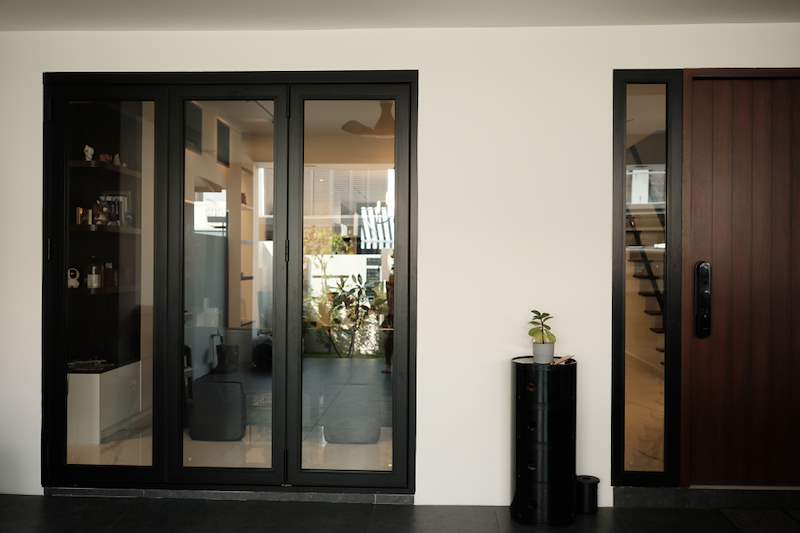
Wet and dry kitchen combinations in Singapore landed homes typically cost $25,000-$45,000 total, with wet kitchens averaging $12,000-$20,000 and dry kitchens $13,000-$25,000. The wet kitchen handles heavy cooking and washing, while the dry kitchen serves for light prep, storage, and entertaining. Most landed properties can accommodate both layouts within 150-250 sqft combined space.
Understanding Wet vs Dry Kitchen Functions
The wet and dry kitchen concept maximises functionality in Singapore's cooking culture while keeping your home fresh and organised. Each serves distinct purposes that complement your lifestyle.
Wet Kitchen Primary Functions
Your wet kitchen handles all the messy, aromatic cooking tasks. This includes wok hei cooking, deep frying, steaming fish, and washing up. Install powerful ventilation here – we recommend 900-1200 CFM range hoods for landed homes. The wet kitchen typically connects to your rear yard or service area for easy waste disposal and natural ventilation.
Dry Kitchen Benefits
The dry kitchen becomes your entertainment and light prep zone. Coffee making, salad prep, plating dishes, and casual breakfast happen here. This space stays odour-free and guest-ready. Many homeowners position dry kitchens adjacent to dining areas for seamless entertaining.
Space Allocation Guidelines
For landed homes, allocate 60-70% of your kitchen space to the wet area, 30-40% to the dry area. Wet kitchens need 80-120 sqft minimum for comfortable movement, while dry kitchens work well in 50-80 sqft. Consider your cooking habits – families who cook daily Asian meals need larger wet kitchens.
Cost Breakdown and Budget Planning
Kitchen renovation costs vary significantly based on finishes, appliances, and structural modifications. Here's realistic pricing for landed home kitchen projects in 2026.
| Component | Wet Kitchen Cost (SGD) | Dry Kitchen Cost (SGD) | Key Differences |
|---|---|---|---|
| Cabinets (Melamine) | $4,000-$7,000 | $5,000-$8,000 | Dry kitchen needs more storage variety |
| Cabinets (Solid Surface) | $6,000-$10,000 | $7,000-$12,000 | Premium finishes for entertaining space |
| Countertops | $1,800-$3,500 | $2,200-$4,000 | Island counters increase dry kitchen costs |
| Appliances | $3,000-$6,000 | $4,000-$8,000 | Built-in appliances common in dry kitchens |
| Plumbing & Electrical | $1,500-$2,500 | $1,200-$2,000 | Wet kitchens need heavy-duty drainage |
| Flooring & Tiling | $1,200-$2,000 | $800-$1,500 | Wet areas require more waterproofing |
Hidden Costs to Consider
Ventilation upgrades add $2,000-$4,000 for proper exhaust systems. Structural modifications for open-concept dry kitchens cost $3,000-$8,000. Electrical upgrades for modern appliances typically run $1,500-$3,000. Factor in 10-15% contingency for unforeseen issues during renovation.
Value Engineering Tips
Invest more in wet kitchen functionality – durable surfaces, powerful ventilation, ample storage. Save on dry kitchen structural elements by using existing layouts where possible. Choose mid-range appliances for wet kitchens, splurge on statement pieces for dry kitchens that guests see.
Layout Design and Space Planning
Successful wet-dry kitchen combinations require careful flow planning and strategic positioning within your landed property's layout.
Optimal Positioning Strategies
Position wet kitchens at the rear of your home, connecting to service yards or back entrances. This facilitates waste removal, delivery access, and natural ventilation. Dry kitchens work best adjacent to dining areas or open to living spaces for entertaining flow.
Traffic Flow Considerations
Create clear pathways between wet and dry areas without crossing main traffic routes. Install pocket doors or sliding panels to separate spaces when needed. Maintain 90cm minimum walkways in wet kitchens, 120cm in dry kitchen islands for comfortable movement.
Storage Integration
Plan shared storage between both kitchens. Install pull-out pantry systems accessible from both sides. Position frequently used items in dry kitchens, bulk storage and cooking equipment in wet areas. Consider dumbwaiters or service lifts for multi-storey landed homes to move supplies efficiently.
Utility Connection Points
Both kitchens need dedicated electrical circuits – 40A for wet kitchens with induction hobs, 30A minimum for dry kitchens. Install separate water supply lines with shut-off valves for maintenance. Plan gas connections if using gas cooking, ensuring BCA compliance for landed properties.
Material Selection and Durability
Choose materials that withstand Singapore's humidity and intensive cooking while maintaining aesthetics across both kitchen types.
Wet Kitchen Material Priorities
Select non-porous surfaces resistant to oil, steam, and frequent cleaning. Quartz countertops outperform granite for durability and maintenance. Use homogeneous tiles (600x600mm minimum) for easy cleaning and fewer grout lines. Install marine-grade plywood for cabinet carcasses in high-humidity areas.
Dry Kitchen Aesthetic Focus
Dry kitchens allow more design flexibility with natural materials like timber veneers and marble. Consider engineered stone countertops for consistent patterns. Use larger format tiles (800x800mm or larger) for seamless looks. Invest in soft-close hardware and premium finishes since guests interact with these spaces.
Ventilation and Moisture Management
Install dedicated exhaust systems for each kitchen. Wet kitchens need external venting, never recirculating systems. Dry kitchens can use island range hoods with charcoal filters for light cooking. Ensure cross-ventilation with strategically placed windows or vents to prevent moisture buildup.
| Material Type | Wet Kitchen Recommendation | Dry Kitchen Recommendation | Durability Rating |
|---|---|---|---|
| Countertops | Engineered Quartz | Natural Marble/Quartz | High/Medium-High |
| Cabinet Doors | Melamine/Acrylic | Solid Surface/Veneer | High/Medium |
| Flooring | Homogeneous Tiles | Large Format Tiles/Vinyl | High/High |
| Backsplash | Full-height Tiles | Natural Stone/Feature Tiles | High/Medium |
Regulatory Requirements and Permits
Landed home kitchen renovations require specific approvals depending on structural changes and utility modifications.
BCA Building Plan Approval
Structural modifications affecting load-bearing walls need BCA approval through the Addition & Alteration (A&A) process. This includes removing walls between kitchens or creating large openings. Submit plans 4-6 weeks before renovation starts. Engage a Qualified Person (QP) for structural assessments.
Utility Connection Approvals
New gas connections require SP Group approval and licensed gas fitter installation. Electrical upgrades exceeding 15kVA need SP Group notification. Water connection modifications typically don't need permits unless relocating main supply lines. Ensure all work complies with CP5 (electrical) and SS531 (gas) codes.
Fire Safety Considerations
Install appropriate fire suppression systems, especially in wet kitchens with heavy cooking equipment. Maintain adequate escape routes from both kitchen areas. Consider automatic gas shut-off systems for safety. Ensure adequate spacing between gas appliances and electrical components per BCA guidelines.
Frequently Asked Questions
Can I convert a single kitchen into wet and dry areas?
Yes, most landed homes have sufficient kitchen space for conversion. You'll need 120+ sqft total area for comfortable wet-dry separation. Costs range $25,000-$40,000 depending on existing layout and required modifications. Consider plumbing and electrical upgrades in your planning.
Do I need permits for wet-dry kitchen renovation?
Permits depend on scope of work. Cosmetic upgrades need no permits. Structural changes, major electrical work, or new gas connections require BCA or utility approvals. Processing takes 2-6 weeks typically. Your contractor should advise on specific permit requirements.
What's the ideal size ratio between wet and dry kitchens?
Allocate 60-70% space to wet kitchens, 30-40% to dry areas for optimal functionality. Wet kitchens need minimum 80 sqft for comfortable cooking, dry kitchens work well from 50 sqft upward. Consider your cooking frequency when planning proportions.
How long does wet-dry kitchen renovation take?
Complete renovation takes 8-12 weeks from permit approval to completion. Wet kitchens require more time for plumbing, waterproofing, and ventilation installation. Dry kitchens progress faster with simpler utility requirements. Plan temporary cooking arrangements during renovation period.
Can both kitchens share the same ventilation system?
No, separate ventilation systems work more effectively. Wet kitchens need powerful external exhaust for cooking odours and steam. Dry kitchens can use lighter ventilation or recirculating systems. Shared systems often result in inadequate performance and cross-contamination of cooking odours.
Ready to create your ideal wet and dry kitchen combination? Larry Contractors brings 15+ years of landed home renovation experience with our own carpentry factory for custom solutions. We handle all permits, approvals, and coordination for seamless kitchen transformations. Contact us at WhatsApp for detailed quotations and timeline planning. Our transparent pricing and direct contractor approach ensures you get maximum value for your kitchen investment.