
Best Flooring for Singapore Homes: Vinyl vs Tiles vs Marble
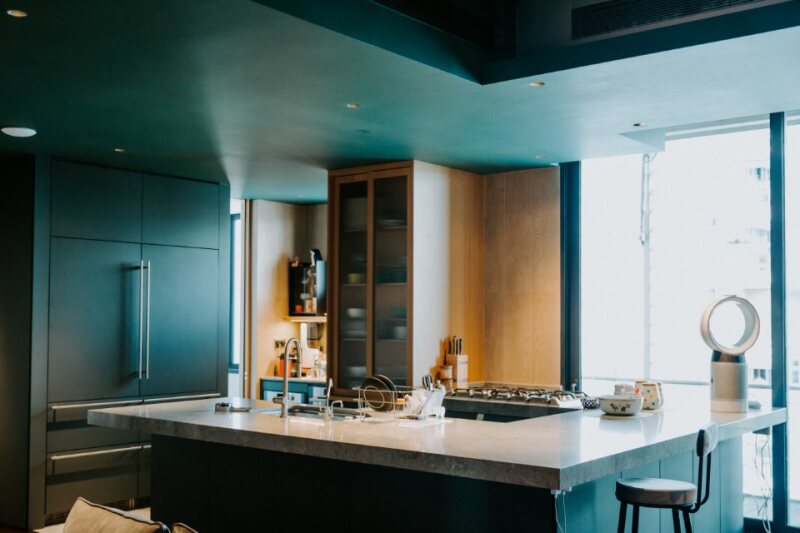
For Singapore homes, vinyl flooring costs $8-20/sqft with 1-2 day installation, ceramic tiles range $15-40/sqft taking 3-5 days, while marble costs $30-80/sqft requiring 5-7 days. Vinyl suits high-traffic areas and rental properties, tiles offer durability for kitchens and bathrooms, and marble provides luxury for landed properties. Climate, maintenance, and HDB regulations significantly impact your choice.
Cost Comparison: What You'll Actually Pay
Flooring costs vary dramatically based on material quality, room size, and installation complexity. Here's the real breakdown from our 500+ completed projects across Singapore.
Material and Installation Costs
| Flooring Type | Material Cost (SGD/sqft) | Installation Cost (SGD/sqft) | Total Cost (SGD/sqft) | Typical 3-room HDB (650 sqft) |
|---|---|---|---|---|
| Luxury Vinyl Plank | $5-12 | $3-8 | $8-20 | $5,200-13,000 |
| Ceramic Tiles | $8-25 | $7-15 | $15-40 | $9,750-26,000 |
| Porcelain Tiles | $12-35 | $8-18 | $20-53 | $13,000-34,450 |
| Marble | $20-60 | $10-20 | $30-80 | $19,500-52,000 |
Additional costs include skirting ($8-15 per linear metre), door trims ($50-150 per door), and floor preparation if your existing surface needs levelling ($5-8/sqft).
Hidden Costs to Budget For
Vinyl requires minimal subfloor preparation but needs expansion gaps around wet areas. Tiles demand waterproofing in bathrooms ($15-25/sqft) and may need floor screeding for uneven surfaces. Marble installation requires structural assessment for upper floors due to weight loads, especially in older HDB flats.
Performance in Singapore's Climate
Singapore's humidity and temperature fluctuations significantly impact flooring performance. Our experience across different property types reveals clear winners for specific conditions.
Humidity Resistance
Vinyl flooring excels in Singapore's 80-90% humidity levels. Quality LVP with rigid core construction resists warping and maintains dimensional stability. Ceramic and porcelain tiles perform equally well, with porcelain offering superior water absorption rates below 0.5%.
Marble requires careful sealing every 2-3 years to prevent moisture penetration and staining. Natural marble can develop hairline cracks from thermal expansion, particularly near windows and sliding doors.
Maintenance Requirements
Daily cleaning differs significantly between materials. Vinyl needs simple mopping with pH-neutral cleaners, avoiding ammonia-based products that damage the wear layer. Tiles require grout maintenance every 6-12 months, with epoxy grout lasting longer than cement-based alternatives.
Marble demands the most care - immediate cleanup of acidic spills (coffee, wine, citrus), professional polishing every 12-18 months ($3-5/sqft), and resealing to maintain water resistance.
Installation Process and Timeline
Understanding installation requirements helps plan your renovation timeline and temporary accommodation needs.
Vinyl Flooring Installation
Vinyl installation takes 1-2 days for a typical 3-room HDB flat. The process includes subfloor inspection, minor levelling if needed, and plank installation with proper expansion gaps. You can walk on vinyl immediately after installation.
Click-lock systems install faster than glue-down vinyl, but glue-down performs better in wet areas. We recommend hybrid installation - click-lock for dry areas, glue-down for kitchens and near bathrooms.
Tile Installation Process
Tile installation requires 3-5 days for the same space. Day 1 involves surface preparation and waterproofing application. Days 2-3 cover tile laying with proper adhesive curing time. Day 4-5 includes grouting and final cleaning.
Porcelain tiles need diamond-blade cutting and stronger adhesives due to their density. Large format tiles (600x600mm and above) require perfectly level surfaces, potentially adding 1-2 days for floor preparation.
Marble Installation Timeline
Marble installation takes 5-7 days, including template creation for custom cuts around fixtures. The process involves: surface preparation (1 day), marble cutting and dry-fitting (1-2 days), adhesive application and laying (2-3 days), grouting and initial polishing (1 day).
Natural marble requires 48-hour curing before foot traffic and 7 days before heavy furniture placement.
HDB and Condo Considerations
Different property types have specific requirements that influence flooring choice and installation methods.
HDB Regulations and Restrictions
HDB allows all three flooring types without additional permits for replacement projects. However, structural considerations apply when switching from lightweight vinyl to heavy marble, especially on upper floors of older blocks built before 1990.
Wet area requirements mandate proper waterproofing regardless of flooring choice. Our HDB license (HB-09-5667H) ensures compliance with all building requirements and proper wet area treatment.
Condo MCST Requirements
Most condos require MCST notification for major renovation work, including full flooring replacement. Some developments restrict marble installation due to weight loads on cantilever balconies or above parking areas.
Noise regulations often favour vinyl flooring in upper-floor units. Quality vinyl with attached underlayment provides better sound dampening than hard surfaces, reducing neighbour complaints.
Landed Property Flexibility
Landed properties offer complete freedom in flooring choice. Marble performs exceptionally well in ground-floor areas with proper subfloor preparation. Multi-level homes benefit from different flooring types - marble for entertaining areas, tiles for service areas, vinyl for bedrooms.
Durability and Lifespan Analysis
Long-term performance varies significantly between flooring types, impacting your total cost of ownership.
Expected Lifespan by Property Type
- Vinyl flooring: 10-15 years in residential use, 5-8 years in high-traffic commercial areas. Quality depends heavily on wear layer thickness (minimum 0.5mm for residential, 0.7mm+ for commercial)
- Ceramic tiles: 15-20 years with proper installation and maintenance. Glazed surfaces maintain appearance longer than unglazed options
- Porcelain tiles: 20-25 years due to superior density and lower porosity. Through-body porcelain hides chips better than glazed varieties
- Marble: 25-50+ years when properly maintained. Natural stone appreciates in value, unlike manufactured alternatives
Replacement and Repair Considerations
Vinyl planks allow individual piece replacement without disturbing surrounding areas. Keep spare planks for future repairs, as colour matching becomes difficult after 2-3 years of UV exposure.
Tile repairs require exact colour and batch matching, often necessitating larger area replacement. Porcelain's consistency makes matching easier than natural stone variations.
Marble repairs involve professional restoration techniques including grinding, polishing, and colour-matching compounds. Minor scratches polish out, but deep damage requires expert intervention.
Frequently Asked Questions
Which flooring works best for Singapore's humidity?
Porcelain tiles perform best in high humidity, followed closely by quality vinyl with rigid core construction. Both resist moisture absorption and dimensional changes. Marble requires regular sealing but handles humidity well when properly maintained.
Can I install marble flooring in an older HDB flat?
Yes, but structural assessment is essential for flats built before 1990. We evaluate floor load capacity and may recommend lighter marble alternatives or engineered stone. Proper reinforcement ensures safe installation within HDB guidelines.
How long before I can move furniture after installation?
Vinyl flooring allows immediate furniture placement. Tiles need 24-48 hours for adhesive curing before light furniture, 72 hours for heavy pieces. Marble requires 48 hours for foot traffic and 7 days before heavy furniture to ensure proper bonding.
What's the most cost-effective option for rental properties?
Quality vinyl flooring offers the best return on investment for rental properties. Lower installation cost, quick replacement capability, and tenant-friendly maintenance make it ideal. Choose commercial-grade wear layers (0.7mm+) for durability.
Do I need permits for flooring replacement in Singapore?
Flooring replacement typically doesn't require permits for HDB or private properties. However, notify your condo MCST for major renovations. Structural modifications for marble installation may need professional assessment and documentation.
Ready to choose the perfect flooring for your Singapore home? Our experienced team has completed over 500 flooring projects across HDB flats, condos, and landed properties since 2009. We provide transparent pricing, quality materials from our own carpentry factory, and direct contractor service without middleman markups. Get your detailed flooring quotation and expert advice by contacting us on WhatsApp at 6591072601 today.