
Renovation Trends for Singapore Homes in 2026
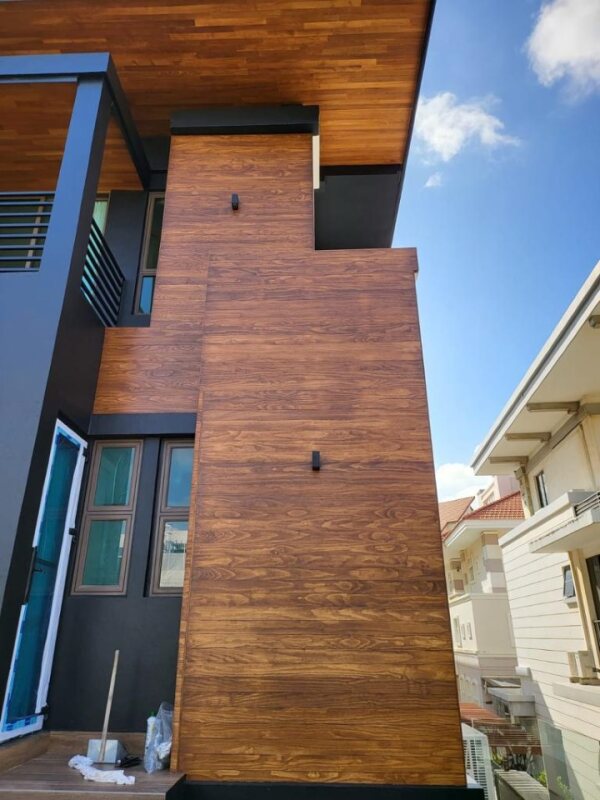
Singapore homeowners in 2026 are prioritising smart home technology, biophilic design, and multifunctional spaces. Expect to budget S$35,000–S$85,000 for a full HDB flat renovation incorporating these trends, or S$80,000–S$180,000 for condos. Key shifts include integrated IoT systems (S$5,000–S$15,000), living walls (S$180–S$350 per sqm), and flexible furniture solutions. Renovation timelines average 8–12 weeks, with HDB permit approvals taking 2–3 weeks.
Smart Home Integration: The New Standard
Smart home technology has moved from luxury add-on to expected baseline in 2026. Homeowners are installing comprehensive IoT ecosystems that control lighting, climate, security, and appliances through unified platforms. This isn't just about convenience—it's about energy efficiency and future-proofing your property value.
What Smart Systems Cost in 2026
The investment range varies significantly based on property size and system complexity. A basic smart home package for a 4-room HDB includes smart lighting, motorised curtains, and a centralised control hub. Mid-range systems add climate control, security cameras, and voice integration. Premium setups incorporate automated blinds throughout, smart locks, leak detectors, and energy monitoring across every circuit.
| Smart Home Package | HDB 4-Room | Condo 3-Bedroom | Key Features |
|---|---|---|---|
| Basic | S$5,000–S$8,000 | S$7,000–S$11,000 | Smart lights, basic hub, motorised curtains (living room) |
| Mid-Range | S$10,000–S$15,000 | S$15,000–S$22,000 | + Climate control, security cameras, voice assistant integration |
| Premium | S$18,000–S$28,000 | S$28,000–S$45,000 | + Full automation, energy monitoring, smart locks, leak detection |
Installation and HDB Considerations
Smart home wiring requires careful planning during your renovation's electrical rough-in phase. For HDB flats, you'll need approval if you're adding new electrical points beyond the standard allocation—submit your application through the HDB InfoWEB portal at least 3 weeks before work begins. Condos require MCST approval for any external cameras or sensors visible from common areas. Most smart systems operate on existing power points, but hardwired solutions for motorised curtains and integrated climate control need advance planning during wall hacking.
Biophilic Design: Bringing Nature Indoors
Biophilic design—integrating natural elements into interior spaces—has become a dominant trend driven by post-pandemic wellness priorities and Singapore's Green Plan 2030 initiatives. This goes beyond potted plants to architectural integration of greenery, natural materials, and nature-inspired patterns.
Living Walls and Vertical Gardens
Living walls are the signature element of biophilic renovation in 2026. These vertical gardens work particularly well in Singapore's climate but require proper waterproofing and drainage planning. Installation costs S$180–S$350 per square metre depending on plant selection, irrigation complexity, and maintenance systems. A typical feature wall measuring 2.4m × 3m costs S$1,300–S$2,500 installed. Factor in S$80–S$150 monthly for professional maintenance unless you're an experienced gardener.
Natural Material Preferences
Material choices in 2026 favour tactile, natural finishes over the glossy laminates that dominated the 2010s. Homeowners are specifying solid timber, natural stone, rattan, and clay-based finishes. Our carpentry factory at Kaki Bukit now processes 40% more solid wood than engineered alternatives compared to 2023. Expect to pay S$180–S$280 per square metre for solid timber flooring versus S$80–S$120 for engineered wood. Stone feature walls range from S$150 per sqm for sandstone to S$350+ for marble.
Natural Light Maximisation
Design strategies prioritise natural light penetration through strategic mirror placement, glass partition walls, and lighter colour palettes. For HDB flats, removing non-structural walls between kitchen and living areas (with HDB approval) creates better light flow. Glass-panelled doors between bedrooms and corridors bring borrowed light deeper into units. These modifications cost S$800–S$2,500 per wall depending on structural considerations and door hardware quality.
Multifunctional Spaces and Flexible Design
The hybrid work era has made dedicated home offices essential, but Singapore's space constraints demand flexibility. The 2026 trend prioritises transformable spaces over single-purpose rooms.
Convertible Room Solutions
Murphy beds, sliding partition walls, and modular furniture systems allow rooms to shift between bedroom, office, and entertainment functions. A custom Murphy bed system with integrated desk and storage costs S$3,800–S$6,500 depending on mechanism quality and cabinetry finish. Ceiling-mounted sliding partitions that divide living areas range from S$1,200–S$3,500 per installation. These solutions particularly suit 3-room and 4-room HDBs where the second bedroom pulls double duty.
Kitchen Evolution
Open-concept kitchens continue dominating, but 2026 sees more sophisticated ventilation solutions addressing Singapore's cooking styles. Downdraft hobs and ceiling-integrated extractors eliminate traditional range hoods while maintaining effectiveness. A quality downdraft system costs S$2,800–S$5,500 compared to S$600–S$1,800 for standard hoods. Island benches with integrated storage and seating create social cooking spaces without compromising floor area—budget S$4,500–S$9,000 for a 2.4m island with quartz top and cabinetry.
Built-In Storage Maximisation
Every millimetre counts in Singapore homes. The 2026 approach integrates storage into architectural elements: platform beds with hydraulic storage (S$2,200–S$4,500), floor-to-ceiling wardrobes extending above door frames (adds S$800–S$1,500 per room), and staircase drawer systems for landed properties (S$3,500–S$7,000 depending on tread count). These solutions typically add 15–25% to base carpentry costs but dramatically increase functional storage.
Sustainable Materials and Practices
Sustainability has moved from niche concern to mainstream requirement, driven by both environmental awareness and long-term cost considerations. The 2026 homeowner asks about material lifecycles, VOC content, and energy efficiency as standard.
Low-VOC and Eco-Certified Materials
Paints, adhesives, and finishes meeting Singapore's Green Building Product standards cost 10–20% more than conventional alternatives but substantially improve indoor air quality. Low-VOC paint averages S$12–S$18 per litre versus S$8–S$12 for standard. Formaldehyde-free plywood and MDF boards add approximately S$15–S$25 per sheet but comply with stricter health standards particularly important for children's rooms.
Energy-Efficient Fixtures and Fittings
LED lighting is now universal, but 2026 specifications include smart dimming and colour temperature control to reduce energy consumption further. Water-efficient fixtures meeting PUB's WELS 3-tick rating are standard in bathrooms and kitchches. A complete fixture upgrade (taps, showerheads, dual-flush toilets) costs S$1,800–S$3,500 for a typical flat and reduces water consumption by 25–35%.
Recycled and Upcycled Elements
Incorporating reclaimed timber, recycled glass terrazzo, and repurposed industrial materials adds character while reducing environmental impact. Reclaimed timber flooring costs S$120–S$220 per sqm—comparable to new mid-range options but with unique patina. Terrazzo made from recycled glass and marble chips ranges from S$180–S$280 per sqm installed, working beautifully for bathroom floors and kitchen backsplashes.
Colour Trends and Aesthetic Shifts
The all-white Scandinavian minimalism that dominated 2015–2022 has evolved into warmer, more personalised palettes in 2026. Homeowners embrace colour as an affordable way to express individuality and create distinct zone identities within open-plan layouts.
Earthy and Warm Neutrals
Warm greys, terracotta, sage green, and clay tones replace cool greys and stark whites. These colours complement natural materials and create cosier atmospheres suited to homes that function as both living and working environments. Feature walls in deeper tones (burnt orange, forest green, navy) add drama without overwhelming smaller spaces. Professional painting for a 4-room HDB costs S$1,800–S$3,200 including primers and two finish coats.
Statement Backsplashes and Feature Walls
Rather than uniform finishes throughout, 2026 designs concentrate visual interest in specific zones. Patterned tile backsplashes behind kitchen hobs or bathroom vanities create focal points. Geometric or floral tiles cost S$35–S$120 per sqm depending on origin and complexity. A typical kitchen backsplash measuring 3m × 0.6m costs S$250–S$800 in materials plus S$300–S$500 installation.
Mixed Metal Finishes
The matchy-matchy approach to hardware finishes has relaxed. Designers now confidently mix brushed brass taps with matte black cabinet handles and stainless appliances. This layered approach feels more collected and personal. Upgrading all door handles, cabinet hardware, and bathroom accessories to quality finishes costs S$1,200–S$2,800 for a typical flat—a relatively affordable way to elevate the overall aesthetic.
What These Trends Cost in Practice
Understanding how individual trends combine into complete renovation budgets helps you prioritise. Here's how a typical 2026-style renovation breaks down across different property types.
| Property Type | Conservative Modern | Full Trend Integration | Timeline |
|---|---|---|---|
| HDB 3-Room | S$28,000–S$45,000 | S$45,000–S$68,000 | 7–10 weeks |
| HDB 4-Room | S$35,000–S$58,000 | S$58,000–S$85,000 | 8–11 weeks |
| HDB 5-Room | S$45,000–S$72,000 | S$72,000–S$105,000 | 9–12 weeks |
| Condo 3-Bed | S$60,000–S$95,000 | S$95,000–S$145,000 | 10–13 weeks |
| Landed Terrace | S$120,000–S$180,000 | S$180,000–S$280,000 | 14–18 weeks |
"Conservative Modern" includes fresh paint, updated flooring, new kitchen and bathroom fixtures, basic smart lighting, and quality carpentry. "Full Trend Integration" adds comprehensive smart home systems, biophilic elements like living walls, premium sustainable materials, and extensive custom carpentry for flexible spaces.
Where to Prioritise Your Budget
If working with constraints, these elements deliver the strongest return on investment and livability improvement:
- Smart lighting and climate control (S$5,000–S$10,000): Daily quality-of-life improvement and energy savings that compound over years
- Kitchen functionality (S$8,000–S$15,000): High-use space where ergonomics and efficiency matter most
- Built-in storage solutions (S$6,000–S$12,000): Maximises usable space in Singapore's compact homes
- Quality flooring (S$4,000–S$8,000): High-traffic element that sets the foundation for the entire aesthetic
- Bathroom upgrades (S$5,000–S$9,000 per bathroom): Essential for comfort and moisture management in Singapore's humidity
Frequently Asked Questions
Do I need HDB approval to install smart home systems?
Most smart home installations use existing electrical points and don't require HDB approval. You need approval only if adding new hard-wired electrical points beyond your flat's standard allocation, or if installation involves hacking walls for concealed wiring. Submit applications through HDB InfoWEB at least 3 weeks before starting work. Battery-operated smart devices, plug-in systems, and replacements of existing switches don't require approval.
How much maintenance do living walls require?
Living walls need weekly watering, monthly fertilising, and quarterly pruning to stay healthy. Automated irrigation systems reduce hands-on time but still require monitoring. Budget S$80–S$150 monthly for professional maintenance contracts, or plan for 2–3 hours of your own time weekly if managing it yourself. Choose hardy varieties like pothos, ferns, and snake plants suited to Singapore's indoor conditions for lower maintenance.
Can I remove walls in my HDB flat to create multifunctional spaces?
You can remove non-structural walls with HDB approval, but never touch structural walls, columns, or beams. Most walls between kitchen and living room, or between bedrooms, are non-structural and can be removed. Submit your renovation plan with structural assessment from a qualified person at least 4 weeks before starting. Approval typically takes 2–3 weeks. Wall removal costs S$800–S$2,500 depending on size and whether you're installing alternative partitions.
Are sustainable materials more expensive than conventional options?
Premium sustainable materials cost 10–25% more upfront but often deliver better durability and lower lifetime costs. Low-VOC paints cost S$4–S$6 more per litre but improve air quality immediately. Solid timber flooring costs roughly double engineered alternatives but lasts decades longer and can be refinished. Energy-efficient fixtures pay back their premium through reduced utility bills within 3–5 years. Not all eco-options carry price premiums—reclaimed timber often costs the same or less than new.
How long does a full renovation incorporating 2026 trends take?
A complete renovation of a 4-room HDB incorporating smart home systems, biophilic elements, and custom carpentry takes 8–11 weeks from permit approval to handover. Add 2–3 weeks for HDB permit processing before work begins. Condos requiring MCST approval may need an additional 1–2 weeks. Landed properties with extensive additions and alterations take 14–18 weeks plus A&A permit processing time. Delays usually stem from custom carpentry fabrication or specialty material lead times rather than installation work itself.
Start Your 2026 Renovation With Larry Contractors
These trends aren't just aesthetic choices—they're practical responses to how Singaporeans actually live in 2026. At Larry Contractors, we've completed over 500 projects since 2009 and manufacture custom carpentry in our own Kaki Bukit factory, which means better quality control and no middleman markups. Whether you're planning a full smart home transformation or selectively incorporating biophilic elements, we provide transparent pricing and direct communication from quote to completion. Message us on WhatsApp at https://wa.me/6591072601 to discuss your renovation goals, and we'll provide a detailed breakdown based on your specific property and priorities. HDB-licensed (HB-09-5667H) and BCA-registered (GB2), we handle permits, coordinate trades, and deliver projects on schedule.