
How to Choose the Right Carpentry for Your Singapore Home 2026
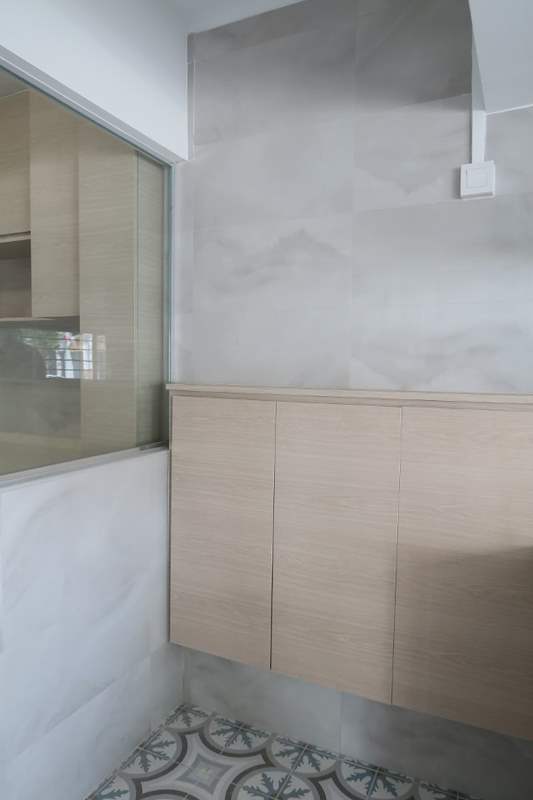
Choosing carpentry for your Singapore home in 2026 comes down to three priorities: material grade, factory capabilities, and contractor track record. Expect $8,000–$15,000 for basic HDB packages using plywood and laminate, $18,000–$28,000 for mid-range solid surface or veneer work, and $30,000–$45,000+ for premium hardwood or custom designs. Always verify the contractor holds an HDB licence (if renovating HDB flats), operates their own carpentry workshop (faster lead times, tighter quality control), and provides itemised quotations with material specifications—not vague "carpentry package" line items.
Material Options: What Actually Goes Into Your Cabinets and Built-Ins
Carpentry pricing hinges on carcase material, surface finish, and hardware. Most Singapore contractors offer three tiers, though terminology varies wildly across quotations.
Plywood and Laminate
The workhorse of HDB renovations. Carcase uses 18mm plywood or blockboard; doors and panels clad in high-pressure laminate (HPL) or melamine. Resistant to Singapore's humidity, relatively scratch-proof, and colour-stable. Cost per linear metre averages $350–$550 depending on hardware (soft-close hinges, drawer runners) and internal fittings (pull-out baskets, spice racks). Expect this material in most $12,000–$18,000 HDB kitchen and wardrobe packages. Lifespan: 10–15 years with proper care.
Veneer and Solid Surface
Step up to natural wood veneer over plywood for visual warmth, or acrylic solid-surface doors (similar to Corian) for seamless, grout-free aesthetics. Veneer adds $80–$150 per linear metre over laminate; solid-surface acrylic runs $200–$300 per linear metre. Popular in condos and ECs where buyers want designer looks without full hardwood expense. Veneer requires periodic conditioning in Singapore's climate; solid-surface scratches can be buffed out but deep gouges need professional repair.
Hardwood and Engineered Timber
Solid teak, oak, or walnut doors paired with plywood carcases. Premium tier: $500–$800 per linear metre installed, reserved for feature display shelves, study cabinetry, or luxury walk-in wardrobes. Engineered timber (cross-laminated veneer with hardwood top layer) offers dimensional stability at 60–70% the cost of solid wood. Both require climate-controlled workshops for machining and finishing—why in-house factories matter.
| Material | Cost per Linear Metre (SGD) | Durability | Best Use Case |
|---|---|---|---|
| Plywood + Laminate | $350–$550 | 10–15 years | HDB kitchens, service yards, kids' rooms |
| Plywood + Veneer | $450–$700 | 12–18 years | Master wardrobes, TV consoles |
| Solid Surface Doors | $550–$850 | 15–20 years | Condo kitchens, bathroom vanities |
| Hardwood / Engineered | $500–$800 | 20+ years | Study shelves, display cabinets, luxury wardrobes |
Factory vs Outsourced: Why Workshop Ownership Changes Everything
Forty percent of carpentry delays and defects in Singapore renovations trace to subcontracting chains. Contractor A sells you the job, outsources fabrication to Workshop B, who books panel cutting with Supplier C. Each handoff adds lead time, markup, and accountability gaps.
In-House Factory Advantages
Direct contractors with own workshops (like Larry Contractors' 19 Kaki Bukit facility) machine panels to exact site dimensions, run test assemblies before delivery, and replenish or modify components within 48 hours if on-site adjustments arise. You deal with one entity from design to defects liability. Quality control happens in-process: our factory supervisors check edge-banding adhesion, hinge boring depth, and drawer alignment before pieces leave the premises. Lead time for custom carpentry: 3–4 weeks from design approval to installation, versus 5–8 weeks when outsourced.
Red Flags in Quotations
- No workshop address listed: Likely subcontracting fabrication. Ask explicitly where carpentry will be made.
- Vague material specs: "Solid plywood" means nothing—demand brand (e.g., Lamitak, Greenlam) and thickness (18mm standard for carcases, 16mm acceptable for door panels).
- Lump-sum "carpentry package": Insist on itemised breakdown: kitchen cabinets $X, wardrobes $Y, TV console $Z. Prevents scope creep disputes.
- Payment terms front-loaded: Ethical structure is 40% deposit, 50% at fabrication completion, 10% after installation and client sign-off. Avoid contractors demanding 70–80% upfront.
Sizing and Layout: Maximising Storage in Compact Singapore Homes
HDB flats and shoebox condos demand every cubic centimetre. Effective carpentry design isn't about filling walls—it's about frequency of access, clearance zones, and vertical zoning.
Kitchen Cabinets
Standard HDB kitchen: 2.4–3.0m of base cabinets (600mm depth, 850mm height including countertop), 2.0–2.4m of wall cabinets (300mm depth, 700mm height). Install wall cabinets 450–500mm above countertop for comfortable access without head-bumping. Include one 150mm pull-out pantry unit next to the fridge—stores oils, sauces, and spices in slim vertical carousel, worth the $400–$600 add-on. Corner cabinets: specify Magic Corner or LeMans fittings ($350–$500) to access the dead zone; traditional lazy Susans waste 30% of corner volume.
Wardrobes
Allocate wardrobe depth by hanging needs: 550mm for shirts and trousers, 600mm if you own many coats or long dresses. Hanging rail should sit 1,950–2,050mm from floor (accessible for 1.6–1.8m users without step-stool). Top cabinets above 2,100mm suit luggage and seasonal storage—items retrieved twice a year. Dedicate 20–30% of wardrobe width to adjustable shelves for folded clothes, bags, and shoe racks. Drawer modules (internal pull-out drawers within the wardrobe) cost $180–$280 each but keep underwear and accessories organised; budget for 2–3 per master wardrobe.
Living and Study Areas
TV consoles: 1.8–2.4m length, 400–450mm depth, 450–500mm height keeps screen at comfortable eye level when seated. Integrate cable management grooves in the back panel and a ventilated compartment for set-top boxes and consoles. Study tables: 1,200mm width minimum for laptop and documents; 1,500mm preferred if dual-monitor setup. Overhead shelving should stop 400mm above desk surface to avoid head collision when leaning forward.
Contractor Credentials: What Licences and Certifications Actually Mean
Renovation regulations in Singapore split by property type. Choosing a contractor without the right registration exposes you to fines and stalled projects.
HDB Licence
Mandatory for any HDB flat renovation work. Verify the contractor's HDB licence number on HDB's Registered Renovation Contractors list (hdb.gov.sg). Licences expire and require renewal; check validity dates. Larry Contractors holds HDB-09-5667H, active since 2009. Unlicensed contractors cannot apply for HDB renovation permits on your behalf; if caught, you'll face permit revocation and orders to reinstate, costing $5,000–$15,000.
BCA Grades for Private Developments
Condos, landed properties, and commercial units require contractors registered with BCA. General Builder grades: GB1 (unlimited contract value), GB2 (up to $6 million per project), CW01/CW02 for specialist trades. Larry Contractors operates under BCA GB2 registration. MCST (condo management) may mandate contractor insurance and indemnity; confirm your contractor carries public liability cover of at least $1 million before signing.
Factory Safety and Compliance
Carpentry workshops handling panel saws, CNC routers, and spray booths must comply with Workplace Safety and Health Act. Ask if the factory is MOM-registered and whether workers hold valid work permits (some fly-by-night outfits run illegal setups using overstayers—if raided, your job halts mid-production). Legitimate contractors provide workshop addresses you can visit during fabrication.
| Property Type | Required Registration | Permit Authority | Typical Approval Time |
|---|---|---|---|
| HDB Flat | HDB Registered Contractor | HDB Branch Office | 3–7 working days |
| Condo / EC | BCA General Builder | MCST + BCA (if structural) | 2–4 weeks (MCST), 4–8 weeks (BCA) |
| Landed Property | BCA General Builder + Qualified Person (if A&A) | BCA + URA (if use change) | 4–12 weeks |
Common Mistakes Homeowners Make When Buying Carpentry
Two-thirds of carpentry disputes we've mediated stem from unclear scope, not workmanship. Here's what trips up even experienced homeowners.
Choosing Based on 3D Renders Alone
Gorgeous visualisations tell you nothing about carcase thickness, hinge brand, or drawer weight capacity. Demand material specifications in writing. A $15,000 package using 12mm particleboard and plastic hinges will fail within three years despite looking identical in renderings to an $18,000 package with 18mm plywood and Blum soft-close fittings.
Ignoring Installation Sequence
Carpentry installs after hacking, plumbing rough-in, electrical conduit, and plastering but before vinyl flooring and final painting. If your timeline has carpenters arriving before plasterers finish, expect dust contamination inside cabinets and misaligned panels where walls aren't true. Coordinate with your main contractor or project manager; built-in carpentry typically happens in Week 4–6 of a standard 8-week HDB renovation.
Underestimating Hacking Implications
Removing a wall or shifting a kitchen layout affects carpentry scope. Quotations are based on existing floor plans; if you hack out a store room to enlarge the kitchen mid-reno, the carpenter needs to re-measure and reprice. Lock in your hacking and A&A works before finalising carpentry drawings to avoid variation orders that blow budgets by 15–25%.
Skipping Post-Installation Checks
Inspect every door, drawer, and shelf before signing off. Open and close each door 5–10 times, checking for binding, gaps, or misalignment. Load drawers with weight (stack books inside) and extend fully—cheap runners jam when loaded. Check edges for delamination or exposed core. Defects caught during handover get rectified within days; defects reported weeks later may incur service charges or get disputed.
Cost Breakdown by Room and Property Type
Actual projects from Larry Contractors' portfolio, as of January 2026 pricing. All figures include design, fabrication, delivery, installation, and one-year defects warranty.
HDB 4-Room / 5-Room Flat
- Kitchen cabinets (2.4m base + 2.0m wall): $4,500–$6,800
- Service yard cabinets (1.2m base + 1.2m wall): $1,800–$2,600
- Master bedroom wardrobe (2.4m wide, floor-to-ceiling): $3,200–$5,000
- Common bedroom wardrobe (1.8m wide): $2,400–$3,600
- TV console (2.0m): $1,200–$2,200
- Shoe cabinet (1.2m): $800–$1,400
- Study table with overhead shelves (1.5m): $1,000–$1,800
Total HDB package: $14,900–$23,400 depending on material grade and fittings complexity.
Condo 3-Bedroom
- Kitchen cabinets with island (3.0m base + 2.4m wall + 1.5m island): $9,000–$14,000
- Master walk-in wardrobe (3.0m L-shape): $7,000–$11,000
- Common bedroom wardrobes (2 units, 2.0m each): $5,600–$8,400
- TV feature wall with storage (3.0m): $4,500–$7,200
- Entrance shoe cabinet and display (1.8m): $2,200–$3,600
- Study / home office built-ins: $3,500–$5,500
Total condo package: $31,800–$49,700 for mid-to-high specifications.
Landed Terrace or Semi-D
Larger floor areas and custom joinery push budgets higher. Expect $45,000–$85,000 for full-home carpentry including staircase panelling, wine racks, and outdoor cabinetry (marine-grade plywood and UV-resistant finishes). Landed projects often require BCA Additions & Alterations approval if hacking or building new rooms; factor 8–12 weeks for design, permit, and fabrication lead time.
Frequently Asked Questions
How long does custom carpentry take from order to installation?
Three to four weeks for in-house factory fabrication after design approval and deposit. Add one week if choosing veneer or solid-surface finishes requiring specialised edge profiling. Outsourced carpentry typically takes five to eight weeks. Installation itself spans two to four days for a standard HDB flat, longer if intricate built-ins or site constraints (narrow corridors, lift restrictions) slow delivery.
Can I supply my own materials to save cost?
Not recommended. Contractors absorb warranty risk on materials they procure—defects in client-supplied boards void liability. You also lose bulk-purchase discounts that workshops negotiate with suppliers. Savings are marginal (5–8%) but risk is high: wrong panel thickness, late delivery, or quality issues delay your entire project. Better to negotiate on design simplification or hardware grade if budget is tight.
What's the difference between plywood, MDF, and particleboard?
Plywood (cross-laminated wood veneers) offers superior screw-holding, moisture resistance, and structural strength—ideal for Singapore's humidity. MDF (medium-density fibreboard) machines smoothly for intricate profiles but swells when wet; limit use to dry areas like bedroom shelves. Particleboard (wood chips and resin) is budget-friendly but sags under load and degrades fast in damp; avoid for kitchen or bathroom cabinetry. Insist on 18mm plywood for all carcase construction.
Do I need a separate interior designer for carpentry, or can contractors design?
Direct contractors provide functional layout and detailed shop drawings as part of the package. Hire an interior designer if you want aesthetic curation (colour palettes, finishes coordination, furniture sourcing) or complex space planning (open-concept reconfiguration, custom niches). Designers typically charge 10–15% of renovation value; weigh that against your comfort level with design decisions. Larry Contractors handles end-to-end carpentry design, 3D renders, and technical drawings in-house—no designer fee required.
What warranty should I expect on carpentry work?
One year defects liability is industry standard, covering hinge failure, delamination, drawer runner malfunction, and warping due to workmanship. Wear-and-tear (scratches, user-inflicted damage, water damage from leaks) sits outside warranty. Clarify response time in writing: reputable contractors commit to site inspection within 48–72 hours of defect report and rectification within one week. Avoid contractors offering only 90-day or "best-effort" warranties—signal of low confidence in their work.
Why Larry Contractors for Your Carpentry Needs
We've fabricated and installed carpentry for over 500 Singapore homes since 2009, from compact HDB flats to landed estates. Our 19 Kaki Bukit factory handles design, CNC cutting, edge-banding, finishing, and quality checks under one roof—no subcontractor layers, no blame-shifting. You'll receive itemised quotations with material brands and specs, progress photos during fabrication, and direct access to our project managers throughout. HDB-licensed (HB-09-5667H) and BCA-registered (GB2), we handle permit applications and coordinate with your broader renovation timeline. Ready to discuss your carpentry requirements? Message us on WhatsApp at +65 9107 2601 for a transparent quote and factory tour invitation. Let's build storage that lasts.