
Cabinet Hardware Guide: Handles, Pulls & Knobs 2026
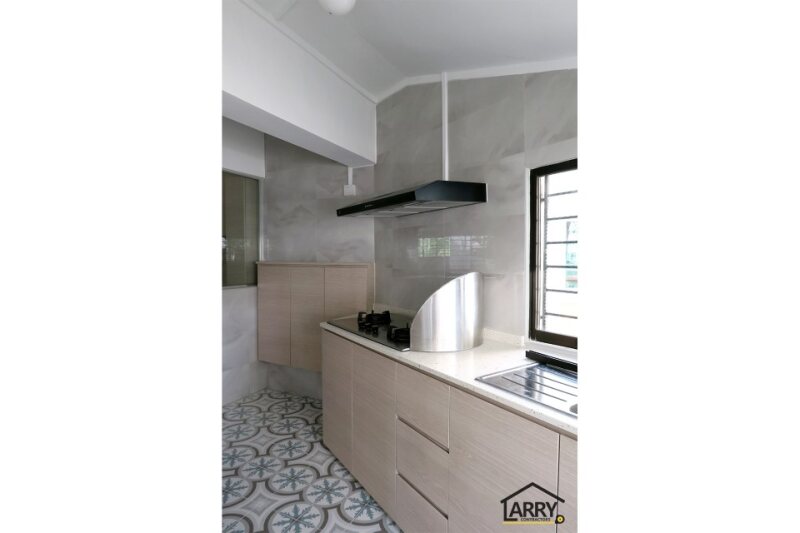
Cabinet hardware in Singapore ranges from $2 per basic knob to $80+ for designer pulls, with most homeowners spending $8-$25 per piece for mid-range options. For a typical 4-room HDB with 30-40 cabinet doors and drawers, expect to budget $300-$1,000 for complete hardware. The right choice depends on your cabinet style, grip comfort, durability needs, and whether you're doing HDB, condo, or landed renovation—handle length matters especially for overlay doors common in Singapore kitchens.
Understanding Cabinet Hardware Types and Functions
Cabinet hardware falls into three main categories, each serving different functional and aesthetic purposes. The distinction matters because your choice affects both daily usability and long-term maintenance costs.
Knobs vs Pulls vs Handles
Knobs are single-point fixtures requiring one screw, typically 25-40mm in diameter. They work best on cabinet doors where you pull straight out, common in upper kitchen cabinets and bedroom wardrobes. Knobs cost less per unit and create a cleaner, more traditional look. However, they're harder to grip with wet or oily hands—a real consideration for Singapore kitchens.
Pulls are horizontal bar-style hardware with two mounting points, ranging from 96mm to 300mm in length. They provide better leverage for drawers and heavier doors, making them ideal for lower kitchen cabinets, drawer units, and pantry storage. The two-screw installation offers better weight distribution and stability over time.
Handles technically refer to any gripping hardware but in Singapore's carpentry trade, we often use it interchangeably with pulls. Cup pulls (recessed semicircular handles) are increasingly popular for contemporary HDB kitchens because they don't protrude, preventing clothing snags in tight spaces.
Material Considerations for Singapore Climate
Singapore's humidity and cooking habits accelerate hardware deterioration. Stainless steel (grade 304 minimum) remains the most durable choice, resisting corrosion from steam, grease, and cleaning chemicals. Zinc alloy with proper coating comes second at lower cost. Avoid pure brass or copper in kitchens unless you want the patina effect—they tarnish quickly. Powder-coated finishes outperform electroplated ones by 2-3 years in typical use.
For bathrooms with direct water exposure, marine-grade stainless steel or quality aluminium alloy prevents the rust stains we see on cheaper hardware within 12-18 months. That $15 handle will outlast three $5 replacements.
Pricing Breakdown by Quality Tier and Volume
Hardware costs vary dramatically by material, finish, brand origin, and order quantity. Here's what we see across our 500+ completed projects:
| Tier | Knobs (each) | Pulls 128mm (each) | Typical Source | Expected Lifespan |
|---|---|---|---|---|
| Budget | $2-$5 | $4-$8 | China generic, online marketplace | 2-4 years |
| Mid-range | $8-$15 | $12-$25 | Branded (Hafele, Hettich), specialist shops | 8-12 years |
| Premium | $18-$35 | $30-$60 | European brands (Blum, Grass), design showrooms | 15+ years |
| Luxury/Designer | $40-$80+ | $60-$150+ | Specialty imports, custom finishes | 20+ years |
Full-Home Hardware Budget Examples
For a 4-room HDB BTO with kitchen (20 doors/drawers), both bedrooms with built-in wardrobes (16 doors), and bathroom vanity (4 drawers), you need approximately 40 pieces. Budget tier runs $160-$320 total, mid-range $400-$800, premium $900-$1,800.
A 5-room condo with larger kitchen, utility room, three bedroom wardrobes, and master bath vanity typically needs 55-65 pieces. Mid-range hardware here costs $660-$1,500, which represents about 2-4% of total renovation budget.
Landed properties with walk-in wardrobes, multiple bathrooms, and extensive kitchen cabinetry can require 100+ pieces. We recommend allocating $1,500-$4,000 for consistent quality throughout.
Design Matching and 2026 Trends in Singapore
Hardware should complement your cabinet door style, overall interior theme, and practical usage patterns. Mismatched hardware stands out immediately—we've replaced dozens of installations where homeowners chose trendy hardware that clashed with their cabinet profiles.
Pairing Hardware with Cabinet Styles
Shaker cabinets (still dominating 60% of HDB kitchens in 2026) work with virtually any hardware, but look sharpest with simple bar pulls in brushed nickel or matte black. The clean lines suit both modern and transitional themes. Centre-mounted knobs on doors, horizontal pulls on drawers creates visual consistency.
Handle-less or push-to-open cabinets eliminate hardware entirely using mechanical catches. Popular in Muji-style and minimalist condos, but finger smudges show prominently on high-gloss or dark laminates. Maintenance requires weekly wiping. Not ideal for elderly users who prefer tactile grip.
Glass-front cabinets need discrete hardware that doesn't compete visually. Small knobs (25-30mm) in matching frame finish work best. Oversized pulls overpower the delicate look.
2026 Finish Trends We're Installing
Matte black continues strong, now in 45% of our new projects. It conceals fingerprints better than chrome and suits Japandi, industrial, and contemporary themes. Quality matters—cheap powder coating chips within a year of daily use.
Brushed brass and gold have shifted from trendy to established, especially in condo master suites and powder rooms. Warmer than chrome, they complement white, navy, and green cabinetry popular in 2026. Expect 15-20% premium over standard finishes.
Champagne bronze and gunmetal are emerging as sophisticated alternatives to stark black, particularly for transitional and luxury interiors. Limited local stock means longer lead times (3-4 weeks vs 1 week for standard finishes).
Integrated pull channels (routed into cabinet edges) provide handle-free aesthetics with better grip than push-latches. We're installing these on 30% more projects than 2024. Works only with thicker door materials (18mm minimum) and adds $40-$80 per door in fabrication costs at our Kaki Bukit factory.
Installation Standards and Ergonomic Placement
Proper hardware installation affects daily comfort more than most homeowners realise. We follow dimensional standards refined across hundreds of projects.
Standard Mounting Heights and Positions
Upper cabinet doors: Knobs mounted 50-75mm from bottom corner, pulls mounted horizontally 50-65mm from bottom edge. This positions hardware at natural reach height when standing.
Lower cabinet doors: Knobs 50-75mm from top corner, pulls 50-65mm from top edge. Reverse of uppers—you're pulling up and out.
Drawers: Pulls centred horizontally, positioned vertically at true centre for drawers under 300mm tall. For taller drawers (pantry units, filing drawers), mount 50-75mm from top edge for comfortable pulling without bending.
Tall cabinets and wardrobes: Hardware at 900-1100mm from floor (roughly belt height) for doors over 2000mm tall. Mounting at geometric centre looks balanced but requires awkward reaching.
Screw Length and Substrate Matching
Standard cabinet doors (16-18mm plywood or MDF) use M4 screws 25-30mm long. The screw must penetrate at least 10mm into door material beyond the mounting bracket—less risks loosening within months. Thicker doors (20-22mm for solid wood) need 35mm screws.
For overlay doors where hardware sits on the door edge, verify clearance between screw tip and cabinet frame. We've seen dozens of installations where screws bottomed against the frame, leaving hardware loose. The fix requires shorter screws with larger diameter for equivalent hold.
Glass doors need specialised hardware with rubber gaskets and limited torque during installation—overtightening cracks the glass. Always use the manufacturer's supplied screws for glass applications.
Common Selection Mistakes and How to Avoid Them
After fabricating and installing cabinetry for 15 years, we see recurring hardware mistakes that cost homeowners in functionality and replacement expenses.
Undersizing Hardware for Cabinet Scale
Small 96mm pulls look lost on 600mm-wide pantry doors. The visual proportion matters—hardware should span roughly 25-40% of door width for balanced appearance. On large doors (500mm+), use 160-200mm pulls. Tiny knobs on big doors also provide insufficient leverage, making doors harder to open.
Ignoring Grip Comfort and Hand Size
Fashionable ultra-thin pulls (6-8mm diameter) cause discomfort during repeated use. Standard 12-15mm diameter bar pulls fit average hands comfortably. For elderly users or accessibility needs, choose pulls at least 20mm in diameter with 35-40mm projection from door surface—easier to grasp with limited dexterity.
Mixing Too Many Finishes
We recommend maximum two hardware finishes in open-plan layouts: typically one for kitchen, another for adjacent built-ins if they're different cabinet colours. Three or more finishes creates visual chaos. Your hardware finish should also coordinate with lighting fixtures, faucets, and appliance handles in the same space—all matte black or all brushed nickel, not mixed.
Choosing Style Over Durability in High-Use Areas
Delicate leather or ceramic knobs suit low-traffic bedroom wardrobes but fail quickly on kitchen drawers opened 15-20 times daily. Save decorative hardware for statement pieces; use metal for kitchens, utility rooms, and children's furniture.
Sourcing and Lead Times in Singapore
Hardware availability affects renovation timelines. Plan procurement early, especially for non-standard finishes or quantities.
Where to Buy
Hardware specialists (Hafele showroom at Kallang, Hettich at Alexandra) stock mid-to-premium ranges with immediate availability for standard finishes. Expect to pay 20-30% more than online but you can verify finish quality and sizing in person. Useful for sampling before bulk orders.
Online marketplaces (Lazada, Shopee, Taobao) offer budget to mid-range options at competitive prices. Order samples first—product photos mislead on finish quality and size. Allow 2-3 weeks for Taobao shipping, 3-5 days for local sellers. Check return policies on bulk orders.
Direct contractor supply is how we source for projects. Our Kaki Bukit factory maintains stock relationships with importers, getting trade pricing 15-25% below retail. We pass this through on full renovation packages since hardware is part of the carpentry scope.
Typical Lead Times
- Standard finishes in stock: 1-3 days local delivery
- Standard finishes special order: 1-2 weeks
- Non-standard finishes: 3-4 weeks from European suppliers
- Custom or specialty hardware: 6-8 weeks, sometimes requiring minimum order quantities (50-100 pieces)
For HDB BTO projects with tight timelines, we order hardware 3-4 weeks before carpentry installation to ensure availability. Last-minute substitutions due to stock-outs compromise design cohesion.
Frequently Asked Questions
Should I use knobs or pulls for kitchen cabinets?
Use pulls on drawers and lower cabinets (better leverage), knobs on upper cabinet doors (cleaner look, adequate for lighter doors). This combination provides optimal function and visual balance. For consistent modern aesthetic, pulls on everything work well. Avoid knobs-only in kitchens—they're harder to grip with wet hands and provide less pulling power for heavier doors.
What's the most durable hardware finish for Singapore kitchens?
Brushed stainless steel (304 grade minimum) offers best durability against humidity, cooking grease, and cleaning chemicals. Matte black powder-coated finishes from quality brands (Hafele, Hettich) perform nearly as well at lower cost. Avoid polished chrome (shows water spots and fingerprints) and oil-rubbed bronze (inconsistent aging in humid climate). Expect 10-15 years from quality finishes with normal use.
Can I install cabinet hardware myself or need a contractor?
DIY installation is feasible if cabinets are already built—you need a drill, 3mm bit, pencil, tape measure, and level. The challenge is consistent positioning across 30-40 pieces; mistakes show immediately. Templates help but door alignment variations complicate this. We charge $8-$12 per piece for installation including precise marking and drilling. For full renovation projects, hardware installation is included in carpentry scope.
How do I choose hardware size for my cabinet doors?
Pull length should span 25-40% of door/drawer width. For 400mm doors, use 96-128mm pulls. For 600mm+ doors, use 160-200mm pulls. Drawer pulls can be slightly longer relative to width (30-50%) since they're typically wider than tall. Knobs work on any size door but look disproportionate on doors wider than 500mm. When in doubt, buy one sample of each size you're considering and hold them against your actual cabinets.
What's the price difference between budget and mid-range hardware?
Budget hardware ($2-$8 per piece) costs 40-60% less than mid-range ($12-$25 per piece) but typically requires replacement in 2-4 years versus 8-12 years for quality brands. For 40-piece installation, budget saves $400-680 initially but costs more over 10 years when factoring replacement labour and material. Mid-range offers better cost-per-year value for permanent residences. Budget tier suits rental properties or temporary renovations before enbloc.
Getting Your Cabinet Hardware Right
Cabinet hardware affects your daily experience in every room with built-in carpentry—kitchens, bedrooms, bathrooms, utility areas. The right choice balances upfront cost, long-term durability, ergonomic comfort, and design cohesion with your overall renovation. At Larry Contractors, we fabricate all cabinetry in-house at our Kaki Bukit factory, which means we handle hardware selection, procurement, and installation as part of complete carpentry packages—no coordination headaches across multiple vendors. Whether you're renovating a 4-room HDB BTO or a landed property, we provide transparent pricing and direct recommendations based on your actual usage needs. Chat with us on WhatsApp at +65 9107 2601 to discuss your cabinet hardware options and get specific pricing for your project scope.