
Best Flooring for Singapore Homes: Vinyl vs Tiles vs Marble
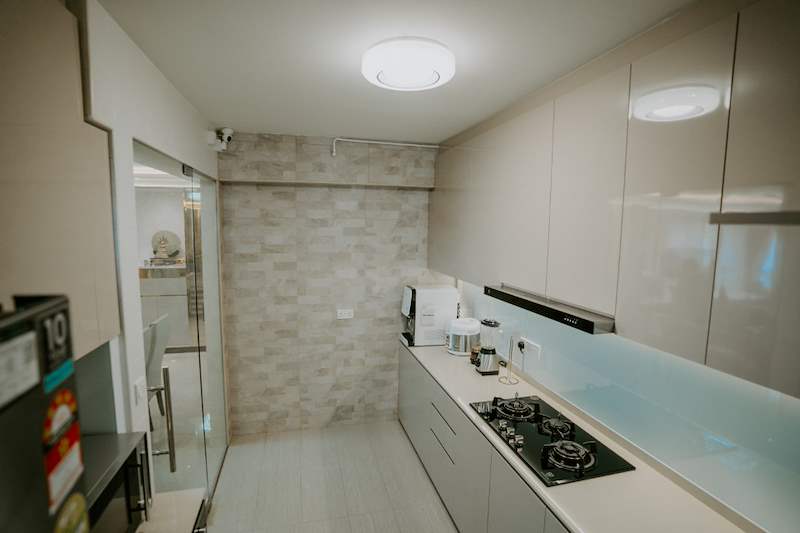
For Singapore homes in 2026, vinyl flooring costs $3–$12 per sqft and suits most HDB and condo units with quick installation and moisture resistance. Porcelain tiles run $8–$20 per sqft, offer superior durability for high-traffic areas, and meet HDB loading limits easily. Marble starts at $15–$40+ per sqft, adds resale value to condos and landed homes, but requires sealing every 12–18 months and careful MCST approval for weight. Choose vinyl for budget and speed, tiles for longevity, marble for luxury.
Cost Breakdown by Flooring Type and Property Size
Flooring costs in Singapore vary significantly based on material grade, installation complexity, and property type. Here's what homeowners actually pay in 2026, including demolition of existing flooring, levelling, and installation.
Complete Cost Comparison Table
| Flooring Type | Material Cost (per sqft) | Installation Cost (per sqft) | Total for 4-Room HDB (900 sqft) | Total for 5-Room Condo (1,200 sqft) |
|---|---|---|---|---|
| SPC Vinyl | $3–$8 | $2–$4 | $4,500–$10,800 | $6,000–$14,400 |
| Luxury Vinyl Plank (LVP) | $6–$12 | $3–$5 | $8,100–$15,300 | $10,800–$20,400 |
| Homogeneous Tiles | $5–$10 | $6–$10 | $9,900–$18,000 | $13,200–$24,000 |
| Porcelain Tiles | $8–$20 | $8–$12 | $14,400–$28,800 | $19,200–$38,400 |
| Italian Marble | $15–$30 | $10–$15 | $22,500–$40,500 | $30,000–$54,000 |
| Luxury Marble (Calacatta, Statuario) | $30–$60 | $12–$18 | $37,800–$70,200 | $50,400–$93,600 |
What Affects Your Final Flooring Price
Demolition of old tiles adds $2–$4 per sqft—vinyl overlay can skip this if existing flooring is level and sound. Screeding and floor levelling costs $3–$6 per sqft for uneven HDB concrete; most condos built after 2010 need minimal levelling. Skirting or wall base installation runs $6–$15 per linear metre depending on material (vinyl cove base is cheapest, marble skirting most expensive). For HDB flats, you'll need a licensed contractor (like us, HB-09-5667H) to submit the renovation permit, which takes 1–2 weeks and costs nothing extra when bundled with your project.
Durability and Lifespan: Which Flooring Lasts Longest
In Singapore's humid, high-traffic environment, flooring durability determines your true cost per year of use. Here's what to expect from each material under typical residential conditions.
Expected Lifespan by Flooring Type
- SPC Vinyl: 10–15 years. Wear layer thickness (0.3mm budget, 0.5mm mid-range, 0.7mm+ premium) directly impacts lifespan. Scratches and dents appear faster in high-traffic areas like living rooms and kitchens. UV exposure near windows can cause fading after 8–10 years even with UV-resistant coatings.
- Homogeneous Tiles: 15–25 years. Colour runs through the entire tile body, so chips and scratches are less visible. Grout lines stain over time and need re-grouting every 8–10 years at $3–$5 per sqft. Popular for HDB kitchens and service yards.
- Porcelain Tiles: 25–40 years. Hardness rating (PEI 4–5) means minimal wear even in commercial settings. Glazed surfaces resist staining better than homogeneous tiles. Grout is still the weak point—epoxy grout ($8–$12 per sqft extra) lasts 15+ years versus standard cement grout's 8–10 years.
- Marble: 30–50+ years if maintained. Softer than porcelain (Mohs 3–4 vs porcelain's 7–8), so scratches more easily but can be re-polished 3–5 times over its life. Etching from acidic spills (coffee, wine, citrus) is permanent unless professionally honed. Budget $800–$1,500 per session for honing and polishing a 1,000 sqft area.
Moisture and Climate Performance
Singapore's 80–90% humidity year-round makes moisture resistance critical. SPC vinyl is 100% waterproof—core is stone-plastic composite that won't swell or warp even in bathrooms and wet kitchens. Luxury vinyl plank with WPC (wood-plastic composite) core is water-resistant but not waterproof; avoid for full bathrooms. Porcelain and homogeneous tiles are waterproof, but grout joints can harbour mould if not sealed; apply grout sealer every 12 months. Marble is porous and must be sealed every 12–18 months with penetrating sealer ($2–$4 per sqft) to prevent water stains and mould growth, especially in bathrooms.
Installation Speed and Renovation Timeline
Flooring installation duration affects your temporary accommodation costs and project completion date. Here's the realistic timeline for each material, assuming a 1,000 sqft area with standard preparation.
Installation Duration Comparison
| Flooring Type | Demolition (if needed) | Floor Prep & Levelling | Installation | Curing/Settling | Total Days |
|---|---|---|---|---|---|
| SPC Vinyl (click-lock) | 1 day | 1–2 days | 2–3 days | Immediate | 4–6 days |
| Homogeneous Tiles | 1–2 days | 1–2 days | 4–5 days | 2–3 days | 8–12 days |
| Porcelain Tiles | 1–2 days | 1–2 days | 5–7 days | 3–4 days | 10–15 days |
| Marble | 2–3 days | 2 days | 6–8 days | 4–5 days | 14–18 days |
Why Marble Takes Longest
Marble slabs require templating—we measure your exact floor layout, cut slabs at our Kaki Bukit factory, then transport them to site. Each slab weighs 80–120 kg and needs two installers for safe handling. Slabs are laid with thin-set mortar, grouted (often with colour-matched or minimal grout lines), then diamond-polished on-site for a seamless finish. Final polishing alone takes 1–2 days for 1,000 sqft and creates fine dust that requires thorough protection of other areas.
Vinyl's Speed Advantage for Owner-Occupied Renovations
If you're living in your home during renovation (common for HDB owners who can't afford temporary accommodation), vinyl flooring minimizes disruption. Click-lock SPC vinyl needs no adhesive curing time, so you can walk on it immediately and move furniture back the same day. The underlayment also provides sound dampening (IIC rating 65–72), which helps if you're doing phased room-by-room renovation. For HDB flats, this speed means you can complete flooring within the first week of your 5–8 week renovation timeline, allowing other trades (painting, carpentry, electrical) to proceed without damaging wet tile installations.
HDB, MCST, and Regulatory Considerations
Singapore's housing regulations affect flooring choice more than most homeowners realize. Non-compliance can mean removal orders, fines, or resale complications.
HDB Floor Loading Limits
HDB specifies a superimposed load limit of 2.0 kPa (kilonewtons per square metre) for residential floors. Vinyl flooring (including underlayment) weighs roughly 5–8 kg per sqm, well within limits. Porcelain tiles with screed and adhesive add approximately 40–60 kg per sqm—still safe. Marble flooring with thick screed can reach 80–120 kg per sqm. For older HDB flats (pre-1990), structural assessment may be required if you're installing marble throughout. For context, a fully furnished living room with occupants adds roughly 150–200 kg per sqm, so marble is rarely a structural issue, but submit your contractor's flooring plans with your HDB renovation application to avoid complications.
MCST Approval for Condo and Landed Properties
Most condo MCSTs require renovation permits 2–4 weeks before work starts. Flooring material is usually approved automatically unless you're adding significant weight (marble in upper-floor units) or drilling through common property (rare for flooring). Some newer condos have acoustic requirements—check if your MCST specifies a minimum Impact Insulation Class (IIC) rating. SPC vinyl with 1.5mm IXPE underlayment typically meets IIC 65–70. Tiles need acoustic underlayment or floating screed to meet IIC 60+, adding $5–$8 per sqft.
For landed properties adding marble floors in an Addition & Alteration (A&A) project, submit structural drawings to BCA if you're altering load-bearing elements. Flooring replacement alone doesn't trigger BCA approval, but if you're removing walls or adding a mezzanine, the additional floor load from marble must be in your Qualified Person's structural calculations.
Bathroom and Wet Area Regulations
HDB and BCA require slip-resistant flooring in bathrooms (minimum R10 rating, preferably R11). Polished marble is R9 and not compliant—use honed or textured marble, or switch to porcelain with anti-slip glaze. For wet kitchens and balconies, ensure tiles are rated for wet areas and installed with proper waterproofing membrane (2-coat polyurethane or torch-on membrane) beneath the screed. Vinyl flooring in wet areas must be fully adhered with waterproof adhesive; click-lock systems can allow water seepage into the subfloor.
Maintenance Costs and Effort Over 10 Years
The "real" cost of flooring includes maintenance over its lifespan. Here's what you'll spend beyond the initial installation.
10-Year Maintenance Cost Comparison (1,000 sqft)
| Flooring Type | Routine Cleaning | Periodic Maintenance | Repairs | Total 10-Yr Cost |
|---|---|---|---|---|
| SPC Vinyl | $0 (mop + pH-neutral cleaner) | $0 | $200–$500 (plank replacement for damage) | $200–$500 |
| Porcelain Tiles | $0 (mop + tile cleaner) | $1,500–$2,500 (grout cleaning, re-sealing 2×) | $300–$800 (cracked tile replacement) | $1,800–$3,300 |
| Marble | $120/yr ($1,200 total) (pH-neutral cleaner, immediate spill cleanup) | $3,000–$6,000 (sealing 6×, polishing 1–2×) | $500–$1,500 (etch repair, chip filling) | $4,700–$8,700 |
Daily Maintenance Reality Check
Vinyl requires the least effort—sweep or vacuum daily, damp mop weekly with pH-neutral cleaner. Avoid abrasive scrubbers and steam mops hotter than 60°C, which can delaminate the wear layer. Porcelain tiles are nearly as easy but grout lines trap dirt; use a grout brush monthly and re-seal grout annually to prevent staining. Marble demands vigilance—acidic spills (coffee, wine, soft drinks, citrus juice) must be blotted immediately or they etch the surface permanently. Use coasters, placemats, and pH-neutral (never acidic or alkaline) marble cleaner. Never use vinegar, lemon juice, or generic floor cleaners on marble.
Long-Term Resale Value Impact
PropertyGuru and EdgeProp listings show that marble flooring in living and dining areas adds perceived value to condo and landed homes—buyers associate it with luxury and quality. Expect 2–5% higher asking prices for equivalent units, though actual transaction prices depend on overall renovation quality. For HDB flats, vinyl and porcelain tiles are equally acceptable to buyers; marble can be seen as over-renovation and may not return your investment. In the resale HDB market, buyers often prefer neutral, well-maintained flooring they can live with for 5+ years before their own renovation.
Choosing the Right Flooring for Your Home Type
Match your flooring choice to your property type, budget, and timeline for the best outcome.
Best Flooring for HDB BTO and Resale Flats
SPC vinyl is the most cost-effective choice for HDB flats, especially for young families and first-time owners. A 4-room BTO (900 sqft) with premium SPC vinyl costs $8,000–$12,000 fully installed—half the price of porcelain tiles—and you'll avoid the noise and dust of tile hacking if you're overlaying existing flooring. For resale flats with outdated tiles, porcelain tiles in living/dining areas ($14,000–$20,000 for 900 sqft) offer better longevity and suit families planning to stay 15+ years. Use vinyl in bedrooms to save cost and reduce installation time.
Best Flooring for Condos and Executive Condominiums
Porcelain tiles or marble in common areas (living, dining, kitchen) with vinyl in bedrooms balance luxury and budget. For a 1,200 sqft condo, install porcelain in 600 sqft of common areas ($12,000–$15,000) and SPC vinyl in 600 sqft of bedrooms ($3,600–$6,000), totalling $15,600–$21,000. If budget allows, Italian marble in the living/dining area ($18,000–$30,000 for 600 sqft) creates a high-end look that enhances resale value. Ensure your MCST allows the additional weight and installation noise (typically restricted to weekdays 9am–5pm).
Best Flooring for Landed Homes
Landed homeowners typically choose marble for ground-floor common areas and porcelain or vinyl for upper floors and bedrooms. A 3,000 sqft landed terrace might use 1,200 sqft of marble on the ground floor ($30,000–$60,000), 1,200 sqft of porcelain tiles upstairs ($20,000–$30,000), and 600 sqft of vinyl in bedrooms ($4,000–$7,000), totalling $54,000–$97,000. For outdoor areas (porch, patio, balcony), use non-slip porcelain rated for outdoor use; marble becomes slippery when wet and stains from rain and organic matter.
Frequently Asked Questions
Can I install vinyl flooring over existing tiles in my HDB flat?
Yes, if existing tiles are level, firmly adhered, and free of cracks or hollow spots. Tap tiles with a wooden handle—a hollow sound means the tile has debonded and must be removed. Vinyl overlay saves $2–$4 per sqft in demolition costs and reduces installation time by 1–2 days. Clean tiles thoroughly, fill grout lines with levelling compound if deeper than 2mm, and install underlayment before vinyl. This method is HDB-compliant and common in owner-occupied renovations to minimize dust and noise.
How do I know if my condo MCST will approve marble flooring?
Check your MCST's renovation guidelines (usually on the condo's notice board or management office). Most condos approve marble if your contractor submits flooring plans showing material weight and installation schedule. If your unit is above the 10th floor or in a building older than 20 years, the MCST may request a structural engineer's endorsement confirming floor load capacity. Submit your application 3–4 weeks before renovation starts. We handle MCST submissions as part of our project scope for condo clients.
Which flooring is best for families with young children and pets?
SPC vinyl is the most practical choice—it's softer underfoot (reducing injury from falls), 100% waterproof (handles spills and accidents), scratch-resistant (better than laminate, not as hard as tiles), and quiet (kids running around won't disturb neighbours below). Choose thicker wear layers (0.5mm+) and textured surfaces that hide scratches. Porcelain tiles are more durable but harder and colder; if you prefer tiles, add rugs in play areas. Avoid marble—it etches easily from acidic spills and is expensive to repair.
Do I need to seal porcelain tiles after installation?
Porcelain tiles themselves don't need sealing—they're vitrified (non-porous) and stain-resistant. However, grout lines must be sealed to prevent staining and mould growth. Apply penetrating grout sealer 2–3 weeks after installation (grout must cure fully first) and reapply every 12–18 months. Epoxy grout doesn't need sealing and resists stains better, but costs $8–$12 per sqft versus $2–$4 for standard cement grout. For wet areas like bathrooms and kitchens, epoxy grout is worth the investment.
How long does marble flooring last in Singapore's climate?
Marble can last 30–50+ years with proper maintenance, but Singapore's humidity accelerates wear if neglected. Seal marble every 12–18 months with penetrating sealer to prevent water stains and mould. Re-polish every 8–12 years to remove surface scratches and restore shine ($800–$1,500 per 1,000 sqft). Avoid marble in full bathrooms or wet kitchens unless you're committed to rigorous maintenance—water exposure without sealing leads to dull, stained surfaces within 5–7 years. For low-maintenance luxury, choose porcelain tiles that mimic marble (from $12 per sqft).
Get Expert Flooring Advice from Larry Contractors
Choosing the right flooring affects your renovation budget, timeline, and daily living for the next 10–30 years. At Larry Contractors, we've installed flooring in 500+ HDB, condo, and landed projects since 2009, and we manufacture custom carpentry at our own Kaki Bukit factory—so we understand how flooring integrates with your full renovation scope. Whether you're weighing vinyl against tiles for a BTO, planning marble for a condo upgrade, or replacing worn flooring in a resale flat, our licensed team (HDB HB-09-5667H, BCA GB2) provides transparent quotes with no hidden costs and no middleman markup. Message us on WhatsApp at https://wa.me/6591072601 to discuss your flooring project, request a free on-site assessment, or get a detailed quote within 48 hours.